
Smoking and tobacco use continue to be major public health concerns worldwide. Every year, on May 31st, the World Health Organization (WHO) observes World No Tobacco Day to raise awareness about the dangers of tobacco use and promote effective strategies for tobacco control. This article explores the history, significance, health risks, global efforts, and various aspects related to World No Tobacco Day.
1. Introduction
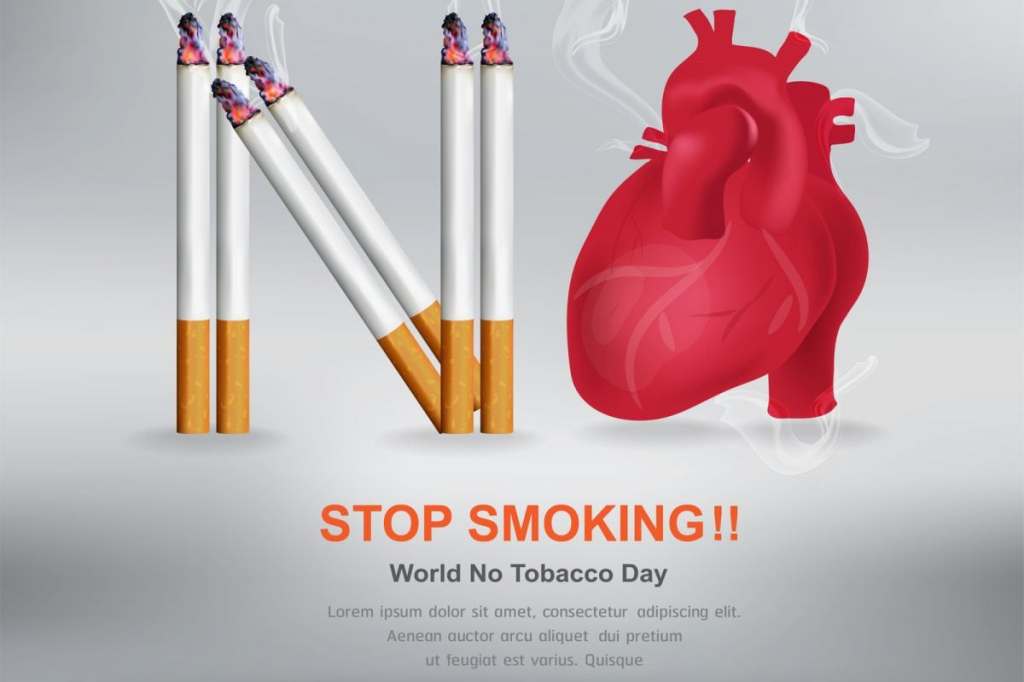
World No Tobacco Day serves as a reminder of the devastating impact of tobacco on individuals, families, and communities. It aims to educate people about the dangers of tobacco use, including smoking and chewing tobacco, and encourages individuals to make informed choices for their health and well-being.
2. History of World No Tobacco Day
World No Tobacco Day was first observed in 1987, following a resolution by the World Health Assembly. This annual event provides an opportunity for governments, organizations, and individuals to come together and raise awareness about the harmful effects of tobacco. Each year, WHO selects a theme to focus on specific aspects of tobacco control.
3. Significance of World No Tobacco Day
World No Tobacco Day holds immense significance as it draws attention to the global tobacco epidemic and encourages individuals, communities, and policymakers to take action. It serves as a platform to highlight the importance of tobacco control measures and support efforts to reduce tobacco consumption and its associated health risks.
4. Health Risks Associated with Tobacco Use
Tobacco use poses numerous health risks and contributes to the development of various diseases. Smoking is a leading cause of preventable deaths, causing cardiovascular diseases, respiratory conditions, and several types of cancer. Secondhand smoke also poses a serious threat to non-smokers, leading to increased risks of respiratory illnesses and other health complications.
5. Global Efforts to Combat Tobacco Use
World No Tobacco Day showcases global efforts in the fight against tobacco use. Governments and organizations work together to implement tobacco control policies, raise awareness, and support cessation programs. The WHO Framework Convention on Tobacco Control (FCTC) plays a crucial role in guiding countries in developing and implementing comprehensive tobacco control measures.
6. Promoting Tobacco-Free Environments
Creating tobacco-free environments is essential to protect individuals from the harms of tobacco. Efforts are made to implement smoking bans in public places, workplaces, and other settings. By promoting smoke-free policies, governments and organizations aim to reduce exposure to secondhand smoke and create healthier environments for all.
7. Tobacco Control Policies and Measures
To effectively combat tobacco use, governments implement various policies and measures. These include increasing taxes on tobacco products, implementing graphic health warnings on cigarette packages, restricting tobacco advertising and promotion, and providing support for tobacco cessation services. These measures aim to reduce tobacco consumption and encourage smokers to quit.
8. The Role of Education and Awareness
Education and awareness play a crucial role in reducing tobacco use. By providing accurate information about the risks and consequences of tobacco use, individuals can make informed decisions. Educational campaigns, school programs, and community outreach initiatives contribute to raising awareness and preventing tobacco initiation among youth.
9. Supporting Smokers in Quitting
Supporting smokers in quitting is a vital component of tobacco control. Accessible cessation services, such as helplines, counseling, and nicotine replacement therapies, can significantly increase the chances of successful quitting. World No Tobacco Day emphasizes the importance of providing support to those who want to quit and promoting a smoke-free lifestyle.
10. The Impact of Tobacco on the Environment
Tobacco production and consumption have significant environmental consequences. Tobacco cultivation contributes to deforestation, soil degradation, and water pollution. Additionally, the manufacturing and disposal of tobacco products generate waste and contribute to air pollution. Addressing these environmental impacts is crucial for sustainable development and protecting ecosystems.
11. World No Tobacco Day Campaigns and Activities
World No Tobacco Day is marked by various campaigns and activities worldwide. These include public awareness events, educational programs, anti-smoking campaigns, and advocacy initiatives. Social media platforms also play a crucial role in spreading messages and engaging a broader audience in tobacco control efforts.
12. The Importance of Community Engagement
Engaging communities is essential for the success of tobacco control initiatives. By involving local organizations, schools, healthcare providers, and community leaders, comprehensive strategies can be developed and implemented. Community engagement fosters a supportive environment and promotes sustained efforts in reducing tobacco use.
13. Success Stories in Tobacco Control
World No Tobacco Day celebrates success stories and achievements in tobacco control. Many countries have implemented effective policies and programs that have significantly reduced tobacco use. These success stories serve as inspiration and provide evidence of the positive impact of comprehensive tobacco control measures.
14. Future Challenges and Opportunities
While progress has been made in reducing tobacco use, challenges remain. The tobacco industry continues to target vulnerable populations, and new tobacco products pose unique challenges. It is crucial to remain vigilant and adapt tobacco control strategies to address emerging issues effectively. Opportunities lie in integrating tobacco control efforts with broader health and development agendas.
15. Conclusion
World No Tobacco Day serves as a global call to action against tobacco use. It raises awareness about the health risks associated with tobacco, promotes tobacco control policies, and encourages individuals to make tobacco-free choices. By working together, we can create a world where tobacco-related diseases and deaths are minimized, and individuals can enjoy healthier lives.
FAQs about World No Tobacco Day
1. Why is World No Tobacco Day observed on May 31st?
A1. World No Tobacco Day is observed on May 31st to commemorate the anniversary of the World Health Organization’s founding and to raise awareness about the global tobacco epidemic.
2. What is the theme for this year’s World No Tobacco Day?
A2. The theme for each year’s World No Tobacco Day is chosen by the World Health Organization. Please refer to the official WHO website or campaign materials for the current year’s theme.
3. How can individuals support World No Tobacco Day?
A3. Individuals can support World No Tobacco Day by spreading awareness about the dangers of tobacco use, encouraging loved ones to quit smoking, and advocating for tobacco control measures in their communities.
4. What are some effective strategies for quitting smoking?
A4. Some effective strategies for quitting smoking include seeking professional help, using nicotine replacement therapies, joining support groups, and making lifestyle changes such as increasing physical activity and avoiding triggers.
5. How does tobacco use impact the economy?
A5. Tobacco use has significant economic implications, including healthcare costs, loss of productivity due to illness, and environmental damages. Implementing tobacco control measures can help alleviate these economic burdens.

 Unique content
Leave a comment