
Introduction
In today’s interconnected world, where the internet plays a vital role in our daily lives, businesses have to adapt to the digital landscape to thrive. Digital marketing has emerged as a powerful tool for companies to reach and engage their target audience. This article explores the concept of digital marketing, its importance, various components, benefits, strategies, trends, challenges, and a comparison with traditional marketing.
What is Digital Marketing?
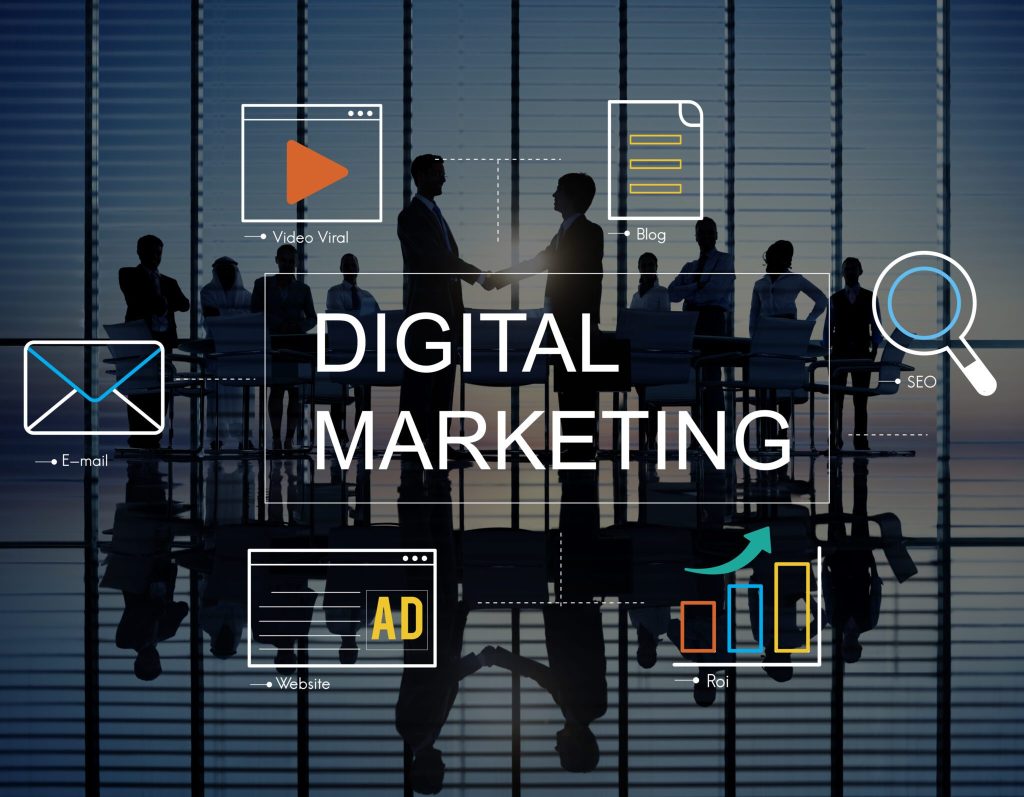
Digital marketing refers to the use of digital channels, such as search engines, social media platforms, email, websites, and mobile apps, to promote products, services, and brands. It encompasses a range of activities aimed at increasing online visibility, driving website traffic, generating leads, and converting prospects into customers.
Importance of Digital Marketing
Digital marketing is crucial for businesses of all sizes and industries. It provides an opportunity to reach a global audience, create brand awareness, establish credibility, and drive sales. With more people spending time online, businesses need to leverage digital marketing strategies to stay competitive and relevant in the digital age.
Components of Digital Marketing
Digital marketing comprises several components that work together to achieve marketing goals. These components include:
• Search Engine Optimization (SEO): SEO focuses on improving a website’s visibility and ranking on search engine results pages. It involves optimizing website content, meta tags, URLs, and other factors to increase organic traffic.
• Pay-Per-Click Advertising (PPC): PPC advertising allows businesses to display ads on search engines and other platforms. Advertisers pay only when a user clicks on their ad, making it a cost-effective method to drive targeted traffic
• Social media Marketing: Social media platforms offer vast opportunities for businesses to connect with their target audience, build relationships, and promote products or services. Social media marketing involves creating engaging content, running ads, and engaging with followers.
Email Marketing: Email marketing is an effective way to nurture leads, communicate with customers, and drive repeat business. It involves sending targeted emails to subscribers based on their preferences and behaviors.
•Content Marketing: Content marketing focuses on creating and distributing valuable, relevant, and consistent content to attract and engage a target audience. It includes blog posts, articles, videos, infographics, and more.
Benefits of Digital Marketing
Digital marketing offers numerous benefits for businesses, including:
1. **Increased Reach:** With digital marketing, businesses can reach a global audience without geographical limitations.
2. **Targeted Advertising:** Digital marketing allows precise targeting based on demographics, interests, behaviors, and other factors, ensuring messages reach the right audience.
3. **Cost-Effectiveness:** Compared to traditional marketing methods, digital marketing is often more affordable and provides a higher return on investment (ROI).
4. **Measurable Results:** Digital marketing provides detailed analytics and metrics to track and measure the effectiveness of campaigns in real-time, enabling businesses to make data-driven decisions.
5. **Improved Engagement:** Interactive content, social media interactions, and personalized campaigns help foster stronger connections with the target audience.
Digital Marketing Strategies
To succeed in digital marketing, businesses need to implement effective strategies. Some key strategies include:
– **Target Audience Research:** Understanding the target audience’s demographics, preferences, and behaviors is essential for creating targeted and personalized marketing campaigns.
– **Website Optimization:** Optimizing websites for search engines and user experience enhances visibility and engagement. This includes improving site speed, mobile-friendliness, and user interface.
– **Content Creation and Distribution:** Creating high-quality, relevant, and shareable content helps attract and engage the target audience. Distributing content through various channels, such as social media and email, increases reach and exposure.
– **Social Media Engagement:** Building an active social media presence helps businesses connect with their audience, share updates, and encourage engagement.
– **Email Campaigns:** Sending targeted and personalized emails helps nurture leads, build relationships, and drive conversions.
– **Analytics and Measurement:** Utilizing analytics tools and tracking metrics allows businesses to monitor campaign performance, identify areas for improvement, and optimize strategies.
Trends in Digital Marketing
Digital marketing is a dynamic field that constantly evolves with technological advancements and changing consumer behaviors. Some key trends include:
– **Artificial Intelligence (AI) and Machine Learning (ML):** AI and ML are revolutionizing digital marketing by automating tasks, personalizing experiences, and providing valuable insights for data-driven decision-making.
– **Voice Search Optimization:** With the rising popularity of voice assistants, optimizing content for voice search is becoming increasingly important.
– **Video Marketing:** Video content continues to dominate digital platforms, offering businesses an engaging way to communicate with their audience.
– **Influencer Marketing:** Collaborating with influencers and industry experts helps businesses reach a wider audience and build trust with potential customers.
Challenges in Digital Marketing
While digital marketing presents numerous opportunities, it also comes with its challenges. Some common challenges include:
1. **Information Overload:** With an abundance of online content, businesses need to find ways to cut through the noise and capture the audience’s attention.
2. **Competition:** As more businesses invest in digital marketing, the competition for online visibility and customer attention intensifies.
3. **Constant Evolution:** The digital landscape is ever-changing, and marketers need to stay updated with the latest trends, technologies, and algorithms to stay ahead.
Digital Marketing vs. Traditional Marketing
Digital marketing and traditional marketing have their own advantages and disadvantages. While traditional marketing methods like TV ads, billboards, and print media offer broad reach, digital marketing provides targeted, cost-effective, and measurable results. Combining both strategies can create a comprehensive marketing approach tailored to specific business goals.
Conclusion
Digital marketing has become an indispensable tool for businesses seeking to thrive in the digital era. It offers a wide range of strategies and channels to reach and engage the target audience, drive brand awareness, and generate leads and conversions. By staying updated with the latest trends, leveraging effective strategies, and overcoming challenges, businesses can harness the power of digital marketing to achieve their marketing objectives.
Frequently Asked Questions (FAQs)
1. **What is the difference between digital marketing and traditional marketing?**
Digital marketing utilizes digital channels like search engines, social media, and email to promote products and services, while traditional marketing relies on traditional media such as TV, radio, and print.
2. **How can digital marketing benefit small businesses?**
Digital marketing offers cost-effective strategies, precise targeting, and measurable results, enabling small businesses to compete with larger ones on a level playing field.
3. **What are some essential digital marketing tools?**
Some popular digital marketing tools include Google Analytics for website analytics, Hootsuite for social media management, Mailchimp for email marketing, and SEMrush for SEO analysis.
4. **How long does it take to see results from digital marketing campaigns?**
The timeframe for seeing results can vary depending on factors such as the campaign’s objectives, industry, competition, and budget. Some campaigns may yield immediate results, while others may take several months.
5. **Is digital marketing suitable for all industries?**
Yes, digital marketing can benefit businesses in any industry. The strategies and channels may vary, but the underlying principles of targeting the right audience, creating compelling content, and measuring results apply to all industries.

 Unique content
Leave a comment