
Introduction
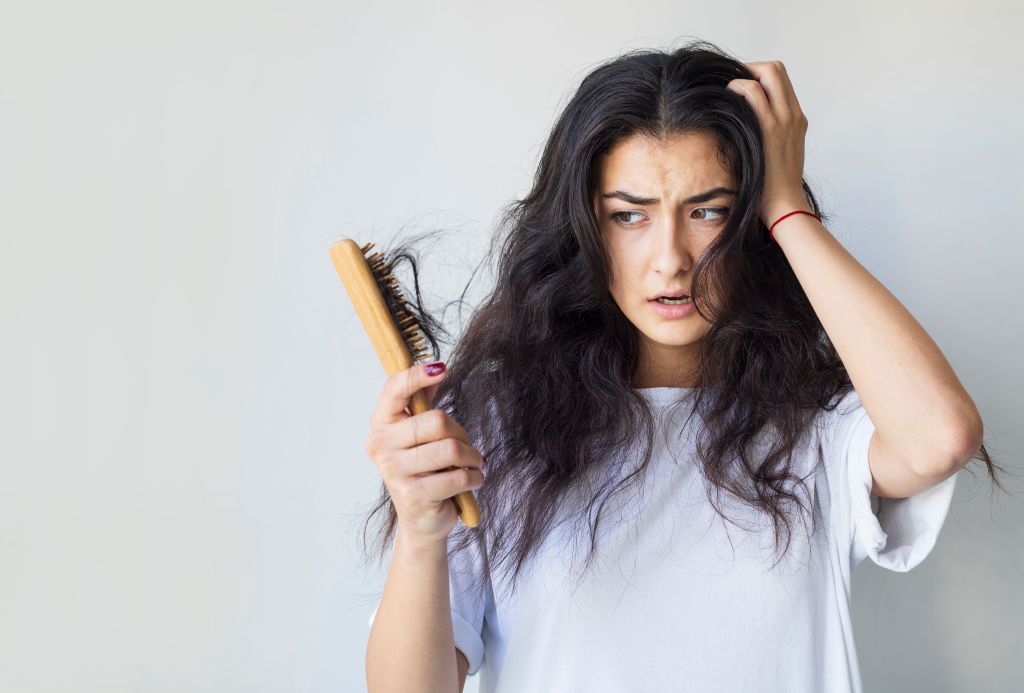
Hair fall, a common concern for many individuals, can be distressing and impact self-esteem. Whether you are experiencing mild shedding or significant hair loss, it is important to understand the causes, prevention methods, and available treatments. In this comprehensive guide, we will explore the various aspects of hair fall and provide practical tips to promote healthy hair growth.
Common Causes of Hair Fall
Hair fall can be attributed to several factors, including genetics, hormonal changes, nutritional deficiencies, scalp conditions, and certain medical conditions. Stress, excessive styling, and environmental factors can also contribute to hair loss. By identifying the underlying cause, you can take appropriate steps to address the issue effectively.
Types of Hair Loss
There are different types of hair loss, such as androgenetic alopecia (male/female pattern baldness), alopecia areata (patchy hair loss), telogen effluvium (temporary shedding), and trichotillomania (hair pulling disorder). Understanding the specific type of hair loss can guide you towards the right treatment approach.
Understanding the Hair Growth Cycle
To comprehend hair fall, it is essential to grasp the hair growth cycle. The cycle consists of three phases: anagen (active growth), catagen (transition), and telogen (resting). Each hair strand goes through this cycle independently, and disruptions at any stage can lead to excessive shedding or reduced hair growth.
Factors Affecting Hair Health
Multiple factors influence hair health, including diet, hydration, lifestyle choices, and hair care practices. A balanced diet rich in essential nutrients like vitamins, minerals, and proteins is crucial for healthy hair. Additionally, adequate hydration, regular exercise, and stress management play vital roles in maintaining optimal hair health.
Tips for Preventing Hair Fall
Taking preventive measures can significantly reduce hair fall and promote hair growth. Incorporate these tips into your routine:
• Maintain a Healthy Diet: Include nutrient-rich foods like fruits, vegetables, lean proteins, and whole grains in your diet.
• Avoid Harsh Hair Treatments: Minimize the use of chemicals, heat styling tools, and tight hairstyles that can damage the hair shaft.
• Practice Good Hair Care Habits: Use a wide-toothed comb, avoid excessive brushing, and opt for gentle hair products suitable for your hair type.
• Manage Stress Levels: Engage in stress-relieving activities like meditation, yoga, or hobbies to minimize the impact of stress on hair health.
• Stay Hydrated: Drink an adequate amount of water daily to keep your body and scalp hydrated.
• Protect Hair from Heat and Pollution: Use protective measures like wearing a hat or applying a heat protectant spray when exposed to high temperatures or pollution.
Home Remedies for Hair Fall
Several home remedies can complement your hair fall prevention routine. These include:
• Aloe Vera: Apply aloe vera gel directly to the scalp to nourish and strengthen the hair follicles.
• Onion Juice: Massage the scalp with onion juice to stimulate hair growth and reduce inflammation.
• Coconut Oil: Regularly massage warm coconut oil onto the scalp to improve blood circulation and strengthen hair strands.
• Egg Mask: Prepare a hair mask with eggs to provide essential nutrients and promote hair growth.
• Green Tea Rinse: Rinse your hair with green tea to remove excess oil and boost hair growth.
When to Seek Professional Help
If home remedies and preventive measures do not yield satisfactory results, it is advisable to consult a healthcare professional or a dermatologist specializing in hair disorders. They can assess your condition, determine the underlying cause, and suggest appropriate treatment options.
Hair Fall Treatments
Medical treatments for hair fall include medications like minoxidil and finasteride, which can slow down hair loss and promote regrowth. In severe cases, hair transplantation or platelet-rich plasma (PRP) therapy may be recommended to restore hair density.
Lifestyle Changes to Promote Hair Growth
Incorporating certain lifestyle changes can enhance hair growth and overall hair health. These changes include:
• Exercise Regularly: Physical activity improves blood circulation, delivering essential nutrients to the hair follicles.
•Get Sufficient Sleep: Prioritize quality sleep to allow the body to repair and regenerate cells, including hair cells.
• Avoid Smoking and Excessive Alcohol Consumption: These habits can adversely affect hair health and impede the growth process.
• Practice Scalp Massage: Gently massage the scalp to improve blood circulation and stimulate hair growth.
• Use Silk or Satin Pillowcases: Sleeping on these materials reduces friction, preventing hair breakage and split ends.
Maintaining Hair Health in Different Seasons
Hair care requirements can vary with changing seasons. Consider the following tips for each season:
• Summer: Protect your hair from the sun, chlorine, and saltwater by wearing hats or using protective hair products.
• Winter: Keep your hair moisturized and shielded from cold and dry air by wearing hats or using hydrating hair masks.
• Monsoon: Prevent fungal infections by keeping your scalp clean and dry, and avoid excessive use of hair styling products.
Hair Fall Myths Debunked
Several myths surround hair fall. Let’s debunk a few common ones:
• Hat Wearing Causes Hair Fall: Wearing hats does not lead to hair loss unless they are excessively tight or unclean.
• Frequent Shampooing Leads to Hair Loss: Regular shampooing is necessary for scalp hygiene and does not cause hair fall.
• Cutting Hair Makes It Grow Thicker: Hair grows from the roots, and trimming the ends does not affect its thickness or growth rate.
• Only Men Experience Hair Loss: Hair loss can affect both men and women, although the patterns may differ.
The Psychological Impact of Hair Fall
Hair fall can have a significant psychological impact, affecting self-confidence and emotional well-being. It is crucial to address any emotional distress associated with hair loss and seek support from loved ones or professionals.
Conclusion
Hair fall is a common issue with various causes and treatment options. By adopting preventive measures, utilizing home remedies, seeking professional help when necessary, and making lifestyle changes, you can maintain healthy hair and reduce hair fall. Remember, each individual’s experience with hair fall is unique, so finding the most suitable approach may require some trial and error.
FAQs
1. How much hair fall is considered normal?
• On average, losing 50 to 100 strands of hair per day is considered normal.
2. Can stress cause hair fall?
• Yes, prolonged or severe stress can contribute to hair fall or exacerbate existing hair loss conditions.
3. Are there any supplements that can help with hair fall?
• Certain supplements like biotin, vitamin D, and iron may support hair health, but it’s important to consult a healthcare professional before starting any new supplements.
4. Can hair fall be reversed?
• Depending on the cause and severity of hair fall, it may be reversible with appropriate treatments and lifestyle modifications.
5. Can a poor diet cause hair fall?
• Nutritional deficiencies can contribute to hair fall, so maintaining a balanced diet is essential for healthy hair.

 Unique content
Leave a comment