
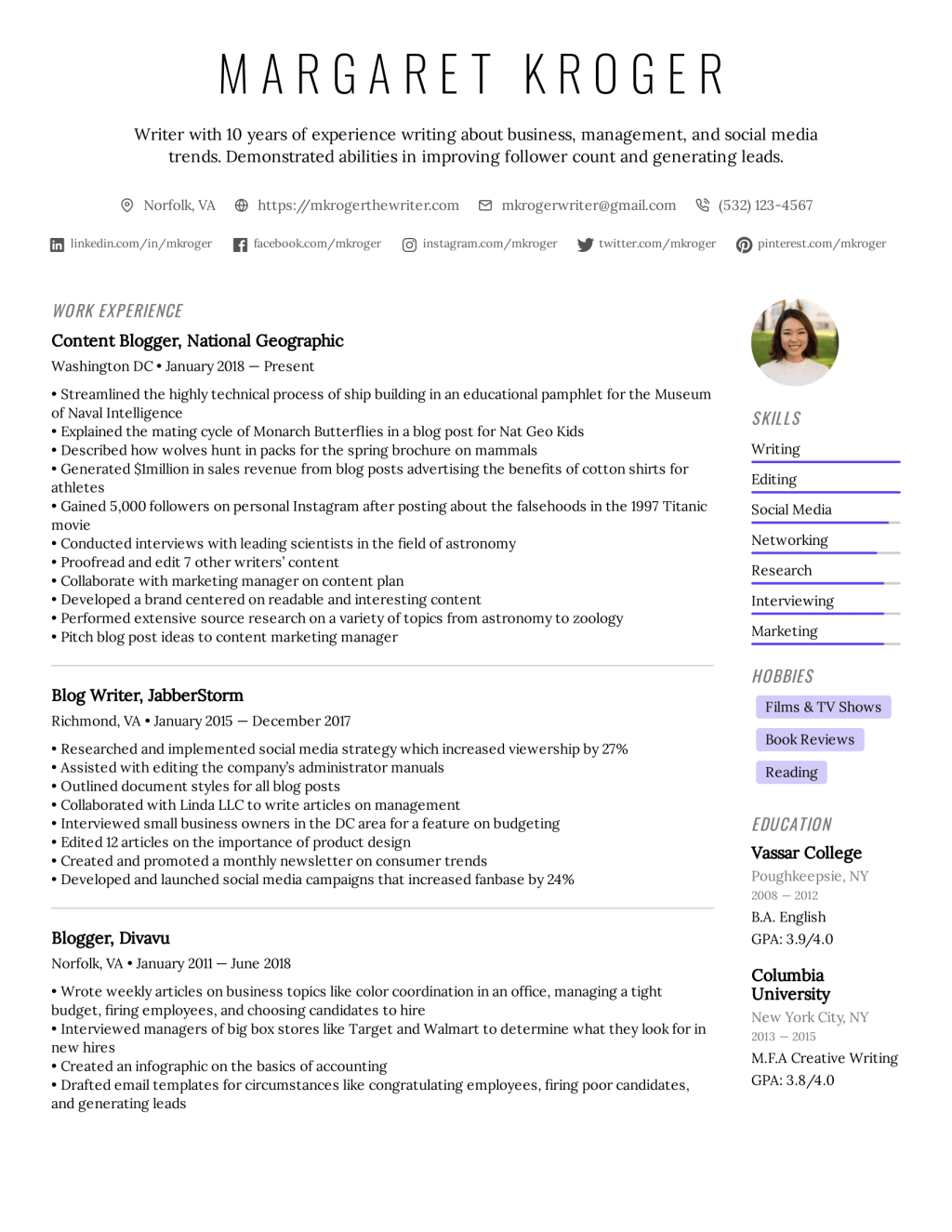
In today’s competitive job market, having an impressive resume is crucial for securing employment opportunities in the USA. A well-crafted resume not only showcases your skills and experiences but also grabs the attention of hiring managers. Whether you are a recent graduate or an experienced professional, knowing how to write an effective resume tailored to the USA job market can significantly increase your chances of landing your dream job.
Introduction
In this article, we will guide you through the process of creating an impressive resume specifically designed for the USA job market. We will provide valuable insights, tips, and best practices to help you stand out among other applicants and impress potential employers.
Understanding the USA Job Market
Before diving into resume writing, it’s essential to understand the USA job market and the specific requirements of your target industry. Researching industry trends, job descriptions, and employer expectations will give you valuable insights into what employers are looking for in a candidate.
Resume Formatting and Structure
The format and structure of your resume play a crucial role in its overall effectiveness. Choosing the right resume format that aligns with your skills and experiences can enhance readability and make a positive first impression. Organizing your resume into clear sections with appropriate headings and subheadings will help employers quickly navigate through your information.
Contact Information and Personal Details
The first section of your resume should include your contact information and personal details. This includes your full name, phone number, and professional email address. Additionally, you can include a link to your LinkedIn profile to provide employers with more insight into your professional background. If you are an international candidate, it is optional to mention your work authorization status.
Resume Summary or Objective Statement
A resume summary or objective statement is a concise paragraph that highlights your key skills, experiences, and career goals. It serves as a powerful introduction, grabbing the attention of the hiring manager and encouraging them to read further. Tailoring your summary or objective to match the requirements of the job you’re applying for can greatly increase your chances of getting noticed.
Professional Experience
The professional experience section is where you showcase your work history. It should be listed in reverse chronological order, starting with your most recent job. For each position, provide details of your job responsibilities and highlight your achievements using action verbs and quantifiable results. This section allows employers to gauge your level of expertise and the value you can bring to their organization.
Education and Certifications
The education and certifications section of your resume should include your educational qualifications. List your degrees, diplomas, or certifications, along with the name of the institution and the year of completion. If you have completed any relevant certifications or training programs, be sure to include them in this section as well.
Skills and Competencies
Employers are often interested in the specific skills and competencies you possess. In this section, highlight the skills that are most relevant to the job you are applying for. Categorize your skills into hard skills (technical skills) and soft skills (interpersonal skills). This provides employers with a clear understanding of the expertise you bring to the table.
Accomplishments and Awards
If you have any notable accomplishments or have received awards in your field, this is the section to showcase them. Highlighting your achievements demonstrates your capability and dedication. It can be particularly effective in capturing the attention of employers and differentiating yourself from other candidates.
Projects and Portfolio
If you have completed any significant projects or have a portfolio relevant to your target job, include this section in your resume. This is especially important for candidates in creative fields or industries that value practical experience. Providing links or samples of your work allows employers to assess your abilities more thoroughly.
Professional Associations and Affiliations
Being a member of relevant professional associations or affiliations can demonstrate your commitment to continuous learning and professional growth. Include any memberships you hold in industry organizations or communities. This shows employers that you are actively engaged in your field and connected to the latest industry trends.
Volunteer Work and Extracurricular Activities
Volunteer work and extracurricular activities can provide valuable insights into your character, leadership skills, and commitment to making a positive impact. Include any volunteer experience or involvement in community activities that are relevant to the job or showcase transferable skills. Highlight any leadership roles you have taken on during these experiences.
Language and Technical Skills
In today’s global job market, language and technical skills are increasingly valued by employers. If you are proficient in multiple languages or possess technical skills relevant to the job, include them in this section. Be specific about your level of proficiency and mention any relevant certifications or achievements.
References
It is common practice to indicate the availability of references upon request in your resume. Create a separate section where you can mention that references will be provided if desired. Avoid including actual reference contact details on your resume; instead, have them prepared separately and ready to share when requested.
Customizing Your Resume
Tailoring your resume to each job application is essential for increasing your chances of success. Research the company and the specific job requirements thoroughly. Incorporate relevant keywords from the job description into your resume to demonstrate your fit for the position. Customization shows employers that you are genuinely interested in the role and have taken the time to understand their needs.
Proofreading and Editing
Before submitting your resume, it is crucial to proofread and edit it carefully. Check for any grammatical errors, typos, or inconsistencies. Ensure that the formatting remains consistent throughout the document. A well-polished resume demonstrates attention to detail and professionalism.
Resume Length and Formatting Considerations
While there is no strict rule for resume length, it is generally recommended to keep it concise and focused. A one- to two-page resume is usually sufficient, highlighting only the most relevant information. Use appropriate fonts and font sizes to enhance readability. Consider using bullet points and white space effectively to make your resume visually appealing.
ATS Optimization
Many companies utilize Applicant Tracking Systems (ATS) to screen resumes. To increase the chances of your resume passing through ATS filters, incorporate relevant keywords and phrases throughout your resume. However, be cautious not to overstuff your resume with keywords, as it may compromise readability.
Online Presence and Digital Resume
While the content of your resume is the most crucial aspect, a visually appealing design can make a positive impression. Use clean and professional templates that are easy to read and navigate. Incorporate visual elements strategically, such as section dividers or subtle color accents, to enhance visual appeal without overshadowing the content.
Resume Design and Visual Appeal
While the content of your resume is the most crucial aspect, a visually appealing design can make a positive impression. Use clean and professional templates that are easy to read and navigate. Incorporate visual elements strategically, such as section dividers or subtle color accents, to enhance visual appeal without overshadowing the content.
Action Words and Power Verbs
To make your resume more engaging and impactful, choose action words and power verbs to describe your experiences and achievements. Avoid using generic and overused phrases. Instead, select strong verbs that convey your skills, accomplishments, and contributions effectively.
Avoiding Common Resume Mistakes
There are several common resume mistakes that can hinder your chances of success. Avoid errors such as typos, inconsistent formatting, or including irrelevant information. Double-check for accuracy and ensure that all the information provided is truthful and up to date.
Seeking Professional Help
If you find yourself struggling to create an impressive resume, consider seeking professional help. Resume writing services and career coaches can provide valuable guidance and expert insights. They can help you tailor your resume effectively and present your skills and experiences in the best possible light.
Summary and Key Takeaways
In conclusion, writing an impressive resume for the USA job market requires careful consideration and attention to detail. By understanding the specific requirements of the job market, customizing your resume, showcasing your skills and experiences effectively, and avoiding common mistakes, you can significantly improve your chances of getting noticed by employers.
FAQs
Q 1: How long should my resume be?
The ideal resume length is typically one to two pages. However, the length can vary depending on your level of experience and the industry you’re applying to. Focus on including relevant and impactful information rather than aiming for a specific page count.
Q 2: Should I include references on my resume?
It is not necessary to include references on your resume. Instead, create a separate document with your references and have it prepared to share when requested by potential employers.
Q 3: How do I tailor my resume for different jobs?
To tailor your resume for different jobs, carefully review the job description and identify the specific skills, experiences, and keywords relevant to the position. Customize your resume by highlighting these elements and showcasing how your background aligns with the requirements of the job.
Q 4: Can I use a creative resume format?
While creativity in resume design can be appealing, it is important to balance creativity with professionalism and readability. Creative formats may be suitable for certain industries or roles, such as graphic design or marketing. However, for most professional positions, a clean and professional format is recommended.
Q 5: Is it necessary to include a cover letter with my resume?
While not always mandatory, including a cover letter can be beneficial as it allows you to provide additional context and showcase your communication skills. If the job application specifies the submission of a cover letter, it is highly recommended to include one tailored to the specific job and company.
Remember, crafting an impressive resume takes time and effort. By following the guidelines and tips outlined in this article, you can create a resume that stands out in the competitive USA job market and increases your chances of securing the job you desire.

 Unique content
Leave a comment